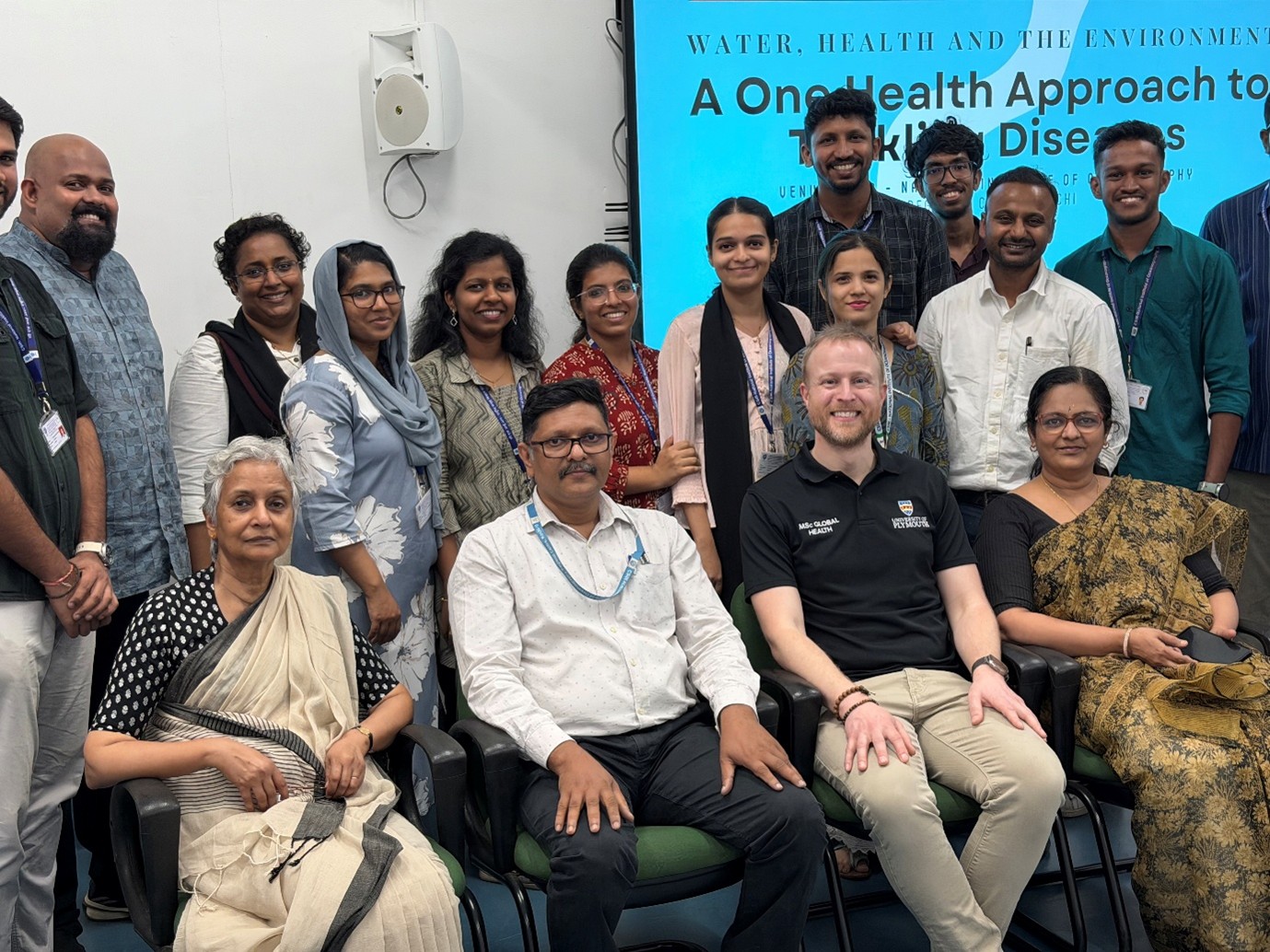
At the start of January 2026, the WADIM project, in collaboration with the University of Plymouth, delivered a series of workshops in Kochi and Chandigarh, India. The workshops focused on “Water, Health, and the Environment: A One Health Approach to Tackling Disease.”
The workshops were designed and led by Dr Michael Dillon (University of Plymouth). Participants worked in small, interdisciplinary groups to address real-world scenarios, interpreting data, mapping risks, and exploring cross-sector interventions to apply the One Health approach in practice. The workshops aimed to provide practical insights including:
- Understanding how water access, quality, and infrastructure directly shape which diseases emerge and spread
- Exploring the real-world challenges of controlling waterborne diseases within existing health systems
- Examining how environmental degradation and animal health issues create ripple effects for human populations
- Learning how cross-sector collaboration can strengthen outbreak preparedness and response
- Engaging with practical tools and frameworks that support integrated decision-making
Chandigarh
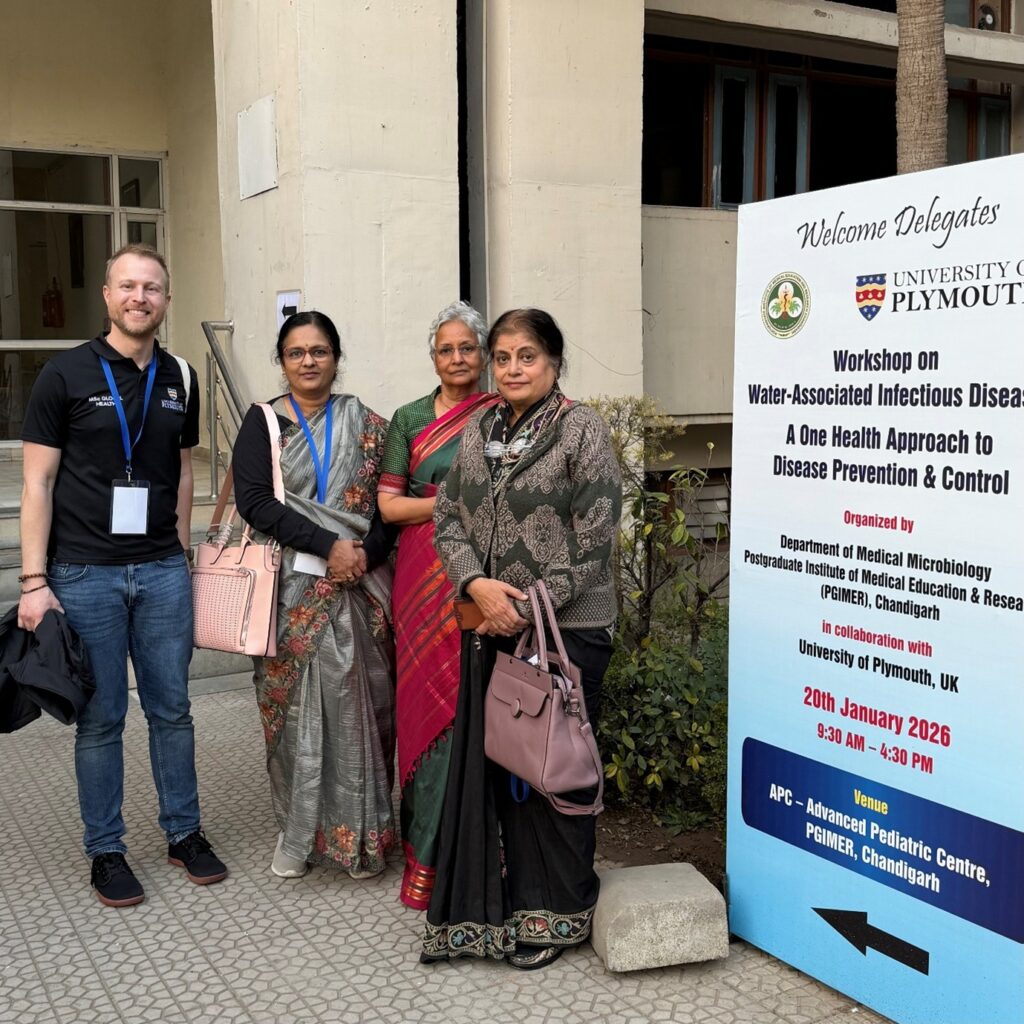
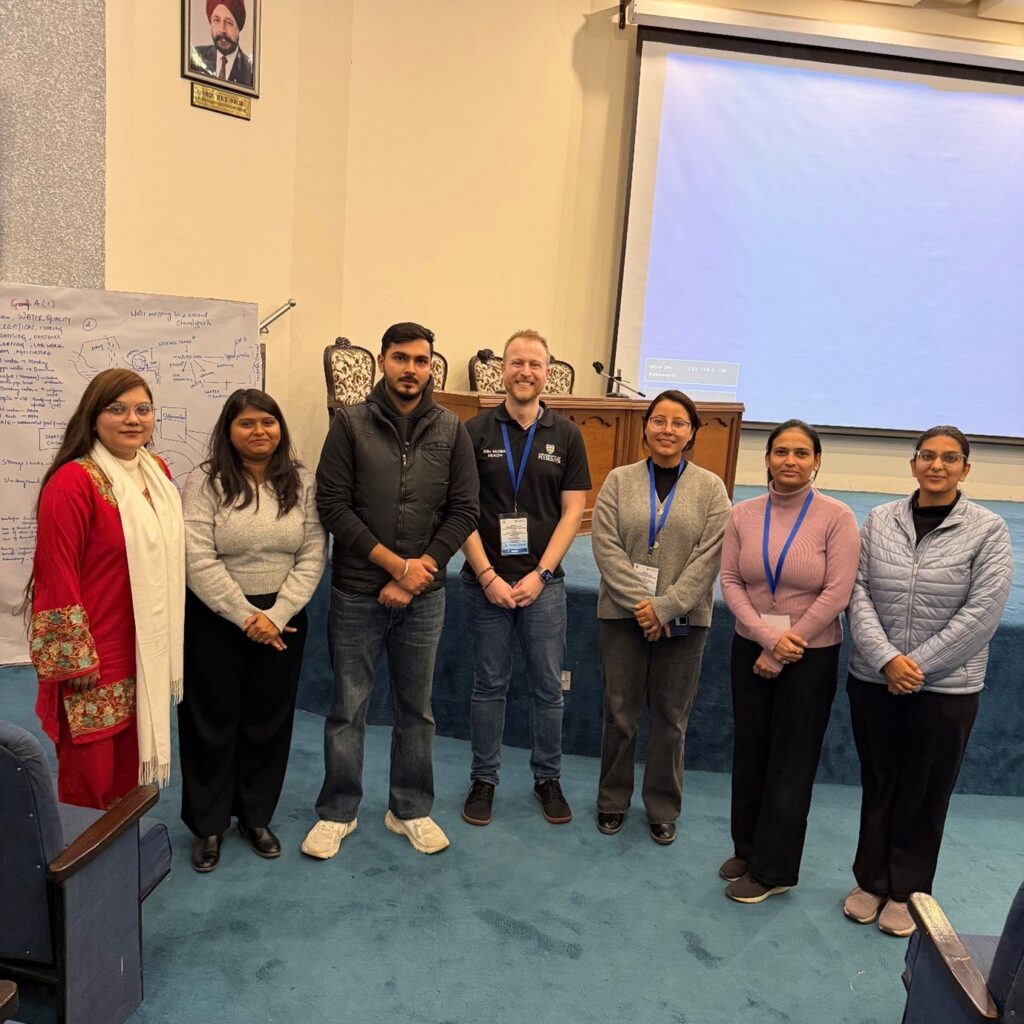
The workshop in Chandigarh took place at the Postgraduate Institute of Medical Education and Research (PGIMER) on 20 January 2026 and brought together over 40 participants working across medicine, public health, research, and policy.
Talks were delivered by Prof Shubha Sathyendranath (use of EO data in studying waterborne diseases), Dr Neelam Taneja (clinical aspects of cholera), Dr Nandini Menon (role of sanitation in improving water quality and health) and Dr Michael Dillon (One Health).
Working in interdisciplinary groups, participants focused on key themes related to waterborne infectious diseases, outbreak response, and the challenges faced by health systems when water quality and access are compromised. Discussions centred on issues such as recognising early signs of outbreaks, pressure points within health services, coordination between sectors, and the limitations of reactive responses.
Key outcomes of the workshop included a stronger appreciation of how environmental and infrastructure factors shape disease risk, recognition of the need for closer collaboration between health and non-health sectors, and interest in continued learning through future workshops and networking opportunities. Participants also highlighted the value of applying One Health approaches to strengthen prevention and preparedness within health systems, with one participant sharing, “Intersectoral collaboration and networking is needed… stop working in isolation and work together!”
Kochi
The workshop in Kochi took place at the National Institute of Oceanography (CSIR–NIO) on 23 January 2026 and brought together over 40 participants from across medicine, veterinary science, public health, environmental research, and policy.
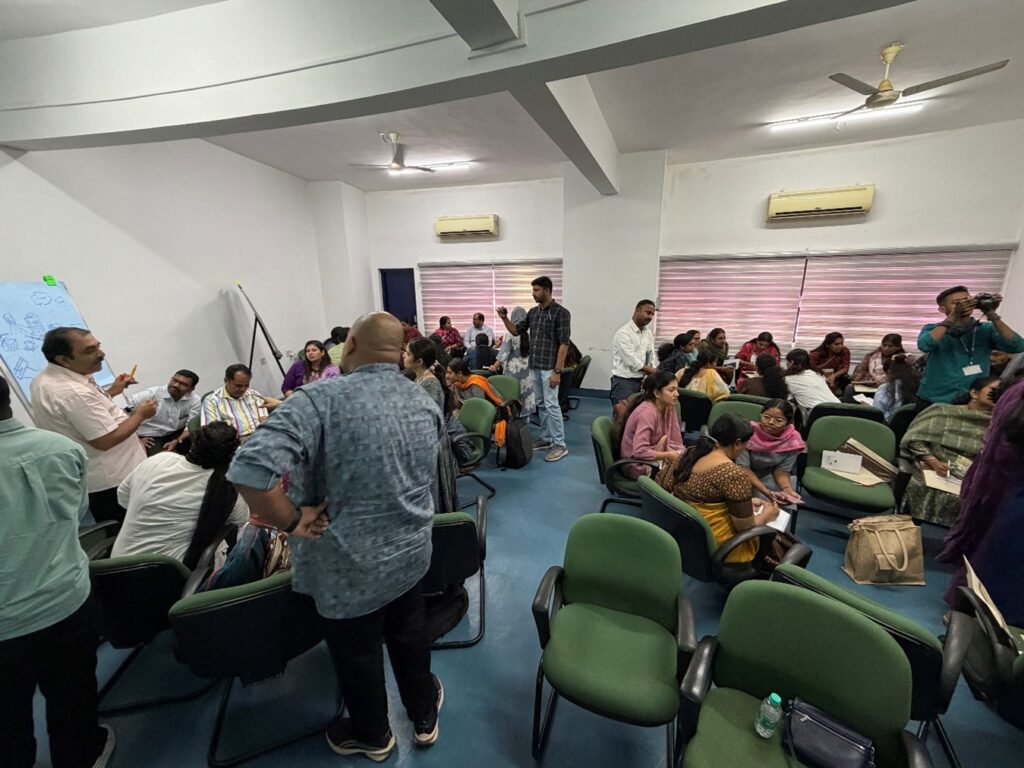
Participants worked in small interdisciplinary groups to explore key themes including water systems and disease risk, health-system responses to waterborne infections, and the role of environmental and social factors in shaping health outcomes. Discussions focused on common challenges such as early detection of outbreaks, coordination across sectors, governance and infrastructure gaps, and the need to move from reactive to more preventive approaches.
Key outcomes of the workshop included a shared recognition of the value of One Health approaches for addressing water-related health challenges, strong interest in continued interdisciplinary engagement, and enthusiasm for further workshops, networking opportunities, and the development of a One Health network to support ongoing collaboration. One participant shared, “The One Health approach should be a collective effort & should have involvement from cross sector resource personnel”
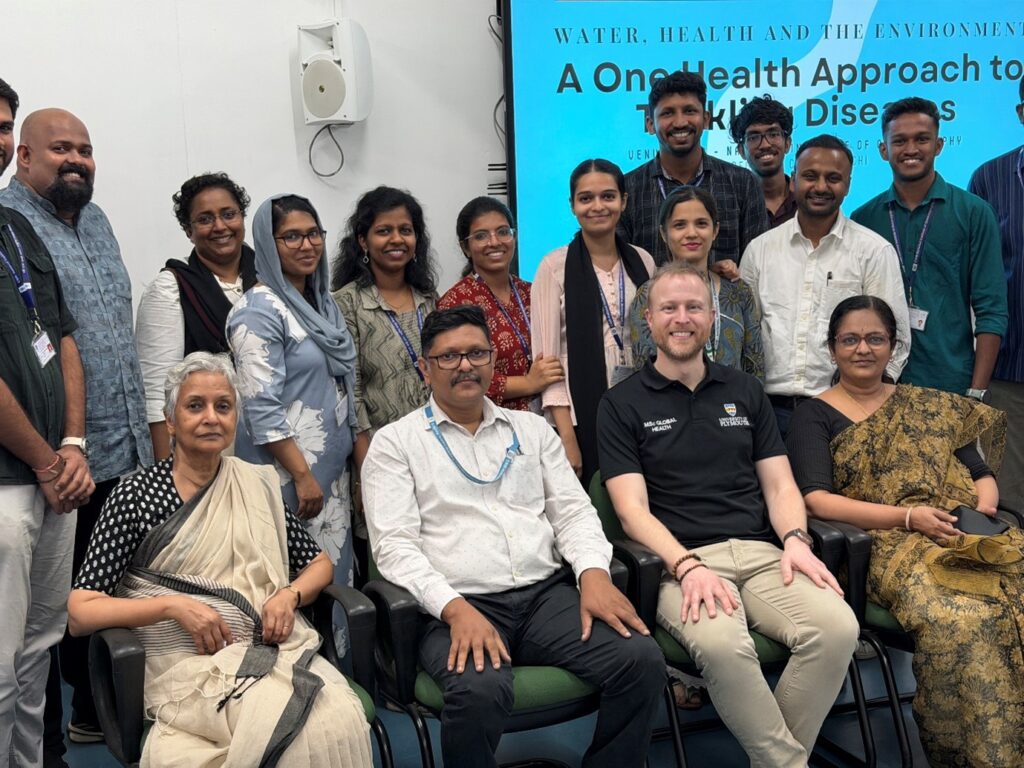
Overall key take aways and next steps from the workshops
A series of recent workshops in Chandigarh and Kochi brought together participants from across medicine, veterinary, environmental sciences, research, public health, and policy backgrounds to explore the links between water, disease, and the environment. Through discussion and interactive activities, participants examined how water-related health risks often sit across multiple systems and why these challenges are difficult to address when sectors work in isolation.
Participants took part in activities such as mapping local water systems and working through real-world scenarios, which helped create space for interdisciplinary dialogue and shared learning. Conversations explored where risks can emerge within water systems, how health systems typically respond to waterborne disease outbreaks, and the role of environmental and social factors.
The workshops also explored the potential role of digital tools, including surveillance dashboards, mapping platforms, and community reporting tools, in supporting earlier warning and better coordination. Whilst there was enthusiasm for these approaches, participants emphasised that technology works best when combined with strong collaboration, trust, and local context.
A consistent theme across the workshops was the value of learning together. Many participants highlighted how rare it is to have opportunities to engage across disciplines and sectors, and expressed interest in further workshops, networking opportunities, and the development of a One Health network to support ongoing collaboration.
Overall, the workshops demonstrated how participatory, partnership-based approaches can support shared understanding of complex water-related health challenges and help lay the foundations for continued collaboration beyond individual events.